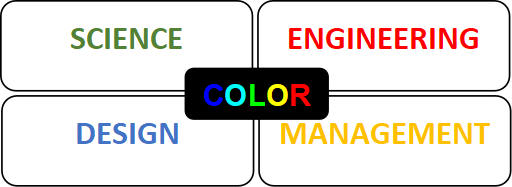

COLOR Computation, Design, Modelling, Simulation & Visualization.
We develop MATLAB and SIMULINK based Toolbox, Blockset and GUI Applications for the world of color. Our products are designed for scientists, engineers, researchers, academia, creatives and everyone who work with color!
Scientific Software for Modeling, Simulating, and transforming Color into real-world systems
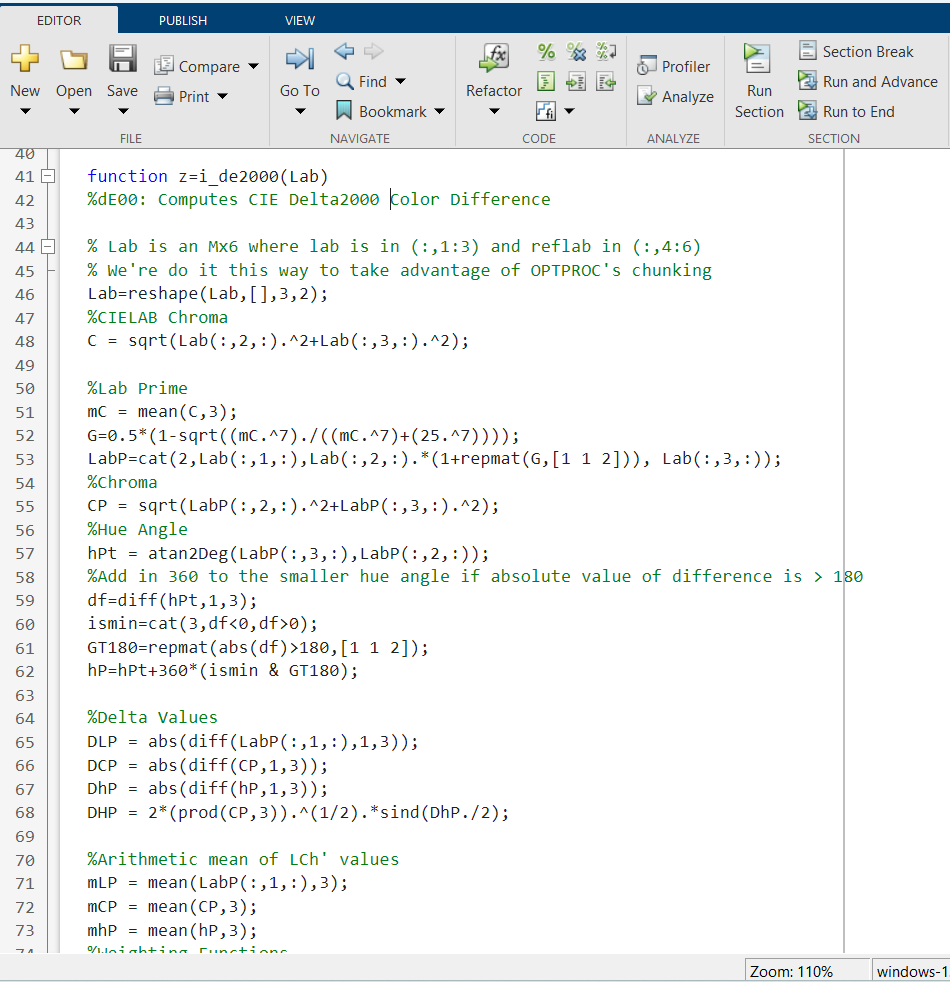
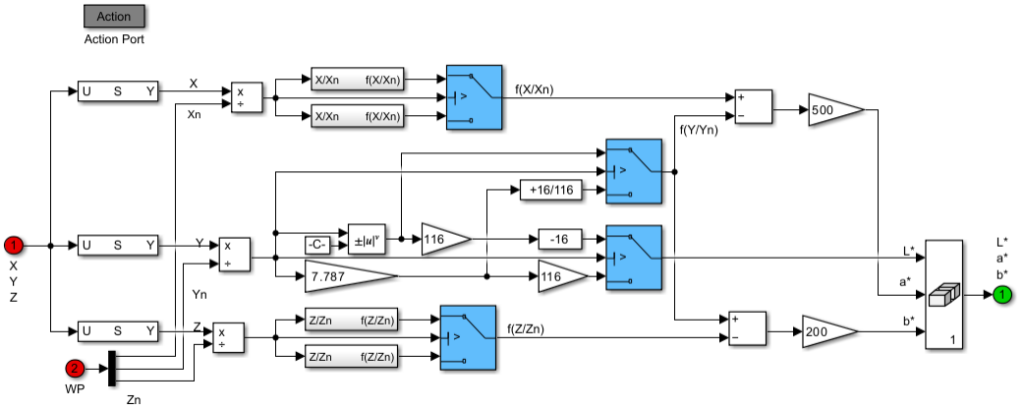
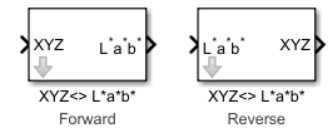
KOLORware delivers an integrated ecosystem of MATLAB® Toolbox, Simulink® Blockset and Add-ons for Color Science—enabling engineers, researchers and designers to analyze, simulate, and build complete color pipelines from spectral data to complete color management.
At KOLORware, we create scientific and engineering software dedicated to one of the most complex and powerful human experiences: Color. Our solutions are designed to integrate theory, computation, and visualization into a unified framework for understanding color as a system rather than a set of isolated components.
Beyond our core products [KOLOR TB™ and KOLOR BS™], KOLORware offers specialized services including the development of custom Color algorithms and tailored Simulink and MATLAB GUI implementations for industrial and research applications. We also provide Color Science education and trainings, helping organizations and individuals deepen their understanding of color, optimize existing workflows, and solve complex, real-world color challenges.
By combining advanced Color Science, perceptual modeling, and hands-on engineering expertise, KOLORware supports clients from concept and research through simulation, validation, and deployment—transforming color from a technical constraint into a strategic advantage.
WHY Choose KOLORware?
Because color matters — and precision matters even more.

Comprehensive Solutions
Toolboxes, Blocksets and add-ons for color computation, modeling, and visualization with modular toolsets to develop, test and validate custom algorithms.
Scientifically Grounded
A comprehensive list of M and S Functions written in accordance with CIE, ASTM, and ISO standards with custom settings, various modes and compatibility with other toolboxes.
Developed by Experts
Developed by a team of scientists, engineers & programming experts who understand the software & hardware, the human eye & colorimetry, and the science & art of color!

Cross-Disciplinary Value
Supports a wide range of areas including color physics, materials, electrical & electronics, civil & architect, optical, chemical, medical, vision, creative etc. alike.
Scalable and Evolving
Future-ready with Artificial Intelligence integration, Python bridging, and GUI extensions. Continuously working to introduce better and optimized functions.

Enhanced Learning
Both TB and BS integrate theory and perception and are therefore ideal for classroom teaching, solving Color Physics problems, R&D, and industry prototyping.

Advanced Visualizations
Transform color data into clear 2D/3D visual representations and perceptual simulations that helps users see, interpret and understand color behavior; not just compute it.

Help and Support
Dedicated Support to help you get the most from your project. Our team is ready to guide you with tips, best practices, and solutions whenever you need them.

Products
Soft Technologies
We develop application software tailored to specific custom requirements. Our solutions emphasize accurate color handling, usability, and seamless integration with existing systems.
Algorithm
We design and implement algorithms in MATLAB and Python frameworks. Our Machine Learning and Neural Network Models are built using MATLAB, TensorFlow, and Scikit-learn libraries.
Dashboard & Graphical Interface
We create intuitive Dashboards and GUIs for industrial color systems and workflows. Our solutions are built using MATLAB App Designer, Simulink, Python, and Microsoft Fabric.
Trainings
We deliver specialized online and in-house trainings in color science, imaging, and applied color technologies. Courses combine theoretical foundations with computations, graphics and color models.
Applications
Thin Films
- Thin-Film Interference: Compute optical interference colors via spectral pipelines.
- Optical Coatings: Predict appearance of nanoscale dielectric stacks.
- Sensitivity Analysis: Evaluate impact of film thickness and refractive index.
- Metamerism: Simulate shifts under daylight, LEDs, and lasers.
- Structural Colors: Design bio-inspired colors like butterfly wings.
Vision Science
- Cone Response: Compute fundamentals and photoreceptor responses.
- Color Deficiency: Model protan, deutan, and tritan anomalies.
- Opponent Processing: Explore perceptual uniformity via DKL space.
- Spectral Sensitivity: Analyze blue-light hazard and macular absorption.
- Test Development: Design FM-100 Hue and Ishihara plates.
Dentistry
- Shade Matching: Quantify tooth shades using CIELAB and Munsell.
- Material Characterization: Model translucency of ceramics and resins.
- Lighting Perception: Simulate materials under clinical lighting.
- Evaluation: Apply delta-E metrics for restoration accuracy.
- Digital Imaging: Use spectral data for color diagnostics.
Soil Science
- Quantification: Standardized classification via digital imagery.
- Moisture Analysis: Model color changes with mineral hydration.
- Remote Sensing: Analyze satellite/UAV data for soil mapping.
- Degradation Studies: Track oxidation and salinity indicators.
- Reporting: Generate consistent visuals via KOLOR TB.
Food Science
- Quality Assessment: Measure ripeness and browning changes.
- Spectral Evaluation: Objective assessment of agricultural products.
- Process Monitoring: Track color during drying or roasting.
- Consumer Perception: Model how packaging influences perceived color.
- Pigment Analysis: Analyze biological tissue behavior.
Health Sciences
- Medical Imaging: Enhance contrast in histological and dermal scans.
- Optical Sensing: Characterize biological tissue via reflectance.
- Lighting Design: Evaluate clinical lighting for visual accuracy.
- Perceptual Calibration: Model human response for diagnostic comfort.
- Diagnostics: Use colorimetric models for staining biomarkers.
Aerospace Engineering
- Surface Simulation: Predict reflectance and color at varied angles.
- Lighting: Optimize cockpit visibility and color fidelity.
- Thermal Analysis: Model color changes due to oxidation/wear.
- Human Factors: Evaluate contrast for pilot interfaces.
- Brand Unity: Ensure color harmony across vehicle components.
Architect Engineering
- Lighting Design: Evaluate natural light for comfort and efficiency.
- Finishing: Simulate texture and surface color interaction.
- Perception: Predict how geometry influences interior color.
- Visualization: Create color-accurate architectural renderings.
- Sustainability: Support human-centered design via light analysis.